
The King and the Cardinal
The Three MusketeersThis flow traces the unstable partnership in which Louis XIII repeatedly resists, depends upon, and submits to Richelieu.
increasing Bearing strength in each event
 decreasing
Bearing strength in each eventdecreasingMutual Dependence
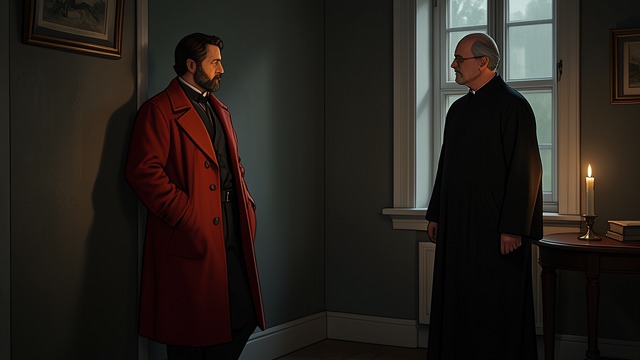
Two Centers of Rule
Royal Insecurity
Louis XIII wants authority, admiration, and moral legitimacy.
Ministerial Power
Richelieu supplies intelligence and policy while quietly controlling the conditions under which the King acts.
Musketeer Rivalry
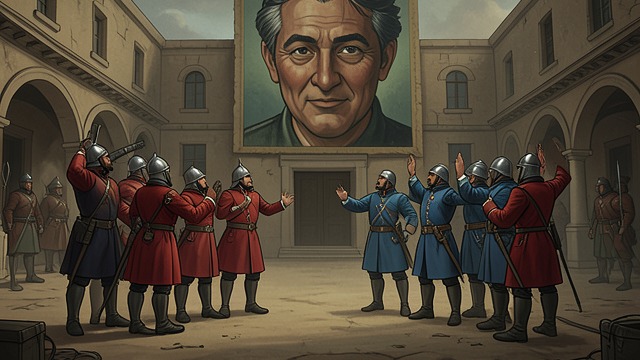
Competing Guards
Institutional Conflict
The King's Musketeers and Cardinal's Guards fight as proxies for their masters.
Controlled Disorder
Both rulers condemn dueling publicly while enjoying the prestige produced by their champions. The rivalry is political theater with real blood.
The Queen's Letter

The King Seeks Proof
Jealous Authority
Louis XIII orders the Queen's papers searched because he fears both political conspiracy and infidelity.
Richelieu's Influence
The King acts as though the decision is his, yet the investigation follows the minister's strategic pressure.
Richelieu's War
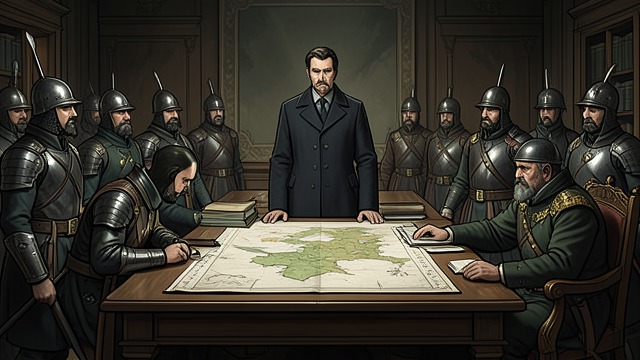
Minister as Commander
Political Warfare
Richelieu directs the siege, the dyke, intelligence, and negotiations while the King grows tired and ill.
Royal Dependence
The campaign demonstrates that Louis XIII may possess the crown while Richelieu supplies the decisive will.
Ceremonial Reconciliation
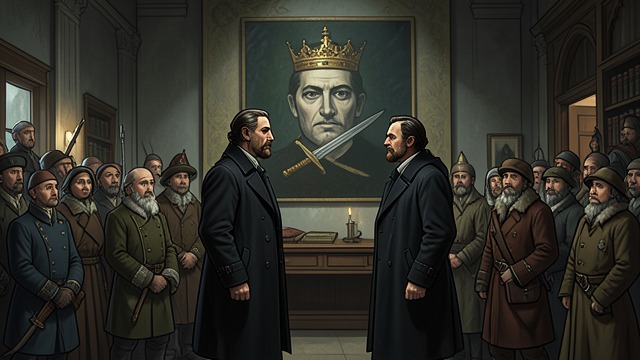
A Partnership Restored
Shared Victory
The King and Richelieu celebrate the removal of Buckingham and the weakening of La Rochelle.
Continued Enslavement
Louis XIII returns to the minister's orbit. Their friendship is less affection than a durable arrangement between fear and dependence.
the opening court scenes
after the Rue Ferou brawl
before October 3
during the siege of La Rochelle
after Buckingham's assassination
